The food and beverage industry is governed by some of the strictest safety standards in the world. From the containers that store our meals to the machinery that processes raw ingredients, every component must meet rigorous hygiene and safety benchmarks. Central to the production of these essential items is injection molding, a manufacturing process that offers the precision, speed, and material integrity required to keep the global food supply chain safe and efficient.
Why Injection Molding for Food Products?
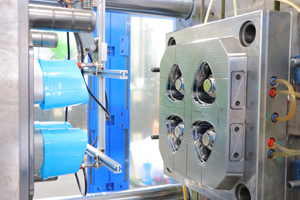
The shift toward plastic components in the food industry is driven by the need for materials that are lightweight, durable, and chemically inert. Plastic injection molding plays a critical role in food machinery by providing components that resist corrosion better than traditional metals, especially when exposed to acidic foods or harsh cleaning chemicals.
Furthermore, the versatility of the process allows for high-volume production of complex shapes, ranging from simple bottle caps to intricate conveyor system parts. For companies looking to bring new products to market, partnering with an expert in food-grade plastic injection molding ensures that these products are not only functional but also compliant with global health regulations.
Understanding Food-Grade Standards
The primary distinction between standard plastic molding and food-grade molding lies in regulatory compliance. In the United States, the Food and Drug Administration (FDA) sets the Gold Standard for materials that come into contact with food. This means the resins used must be not recycled from unknown sources and free from harmful additives that could leach into consumables.
The food and beverage market requires a manufacturing environment that prevents contamination. This often involves the use of specialized lubricants for machines and, in some cases, cleanroom environments to ensure that the final product remains sterile throughout the production cycle.
Selecting the Right Materials
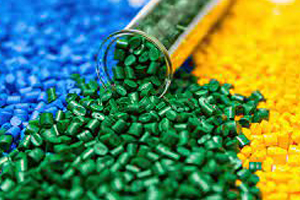
Choosing the correct polymer is the most critical step in the manufacturing process. There are significant differences in how various food-grade resins behave under heat, pressure, and chemical exposure.
Commonly used materials include:
Polypropylene (PP): Known for its high melting point and resistance to chemicals, PP is the go-to choice for microwaveable containers and dishwasher-safe products. It acts as an excellent moisture barrier.
High-Density Polyethylene (HDPE): This material is incredibly strong and impact-resistant. It is frequently used for milk jugs, crates, and heavy-duty food storage bins.
Polyethylene Terephthalate (PET): Often used for beverage bottles and jars, PET is prized for its glass-like clarity and its ability to act as a gas barrier, keeping carbonated drinks fizzy for longer.
Polycarbonate (PC): While more expensive, PC is used for products that require extreme durability and transparency, such as reusable water bottles and food processor bowls.
Keyplast specializes in navigating these material choices, helping clients select the optimal resin for their specific application through their comprehensive food-grade plastic injection molding services.
Advantages for Manufacturers and Consumers
The integration of advanced injection molding techniques offers several benefits:
1. Cost Efficiency and Scalability
Once a mold is created, the cost per unit drops significantly. This allows manufacturers to produce millions of food containers or packaging components at a price point that keeps food affordable for the end consumer.
2. Design Flexibility and Branding
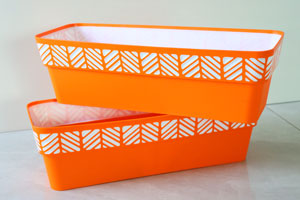
Injection molding allows for the integration of features like tamper-evident seals, snap-on lids, and ergonomic grips. It also allows for vibrant, food-safe colorants that help brands stand out on supermarket shelves.
3. Sustainability
Modern injection molding processes are becoming increasingly efficient, with a focus on reducing sprues and waste. Additionally, many food-grade plastics like PET and HDPE are 100% recyclable, contributing to a circular economy.
4. Safety and Hygiene
Because plastic parts can be molded with smooth, non-porous surfaces, they do not harbor bacteria as easily as wood or porous metals. This makes them ideal for food processing environments where sanitation is a daily requirement.
The Importance of a Specialized Partner
Not all molding facilities are equipped to handle the demands of the food industry. Success in this sector requires a deep understanding of thermal stability, mold design, and the chemical properties of food-safe resins. Keyplast provides the technical expertise and state-of-the-art facilities necessary to meet these challenges.
By leveraging professional injection molding capabilities, food and beverage companies can ensure that their products are manufactured with the highest levels of precision. Whether it is a custom packaging solution or a component for a high-speed bottling line, the focus remains on quality control and regulatory adherence.
As consumer preferences shift toward more convenient and safely packaged food options, the reliance on high-quality injection molding food products will only continue to grow. By understanding the nuances of material selection and the rigors of FDA compliance, manufacturers can deliver products that protect both the consumer and the integrity of the food itself. In the fast-paced world of food production, injection molding remains an indispensable tool for innovation and safety.