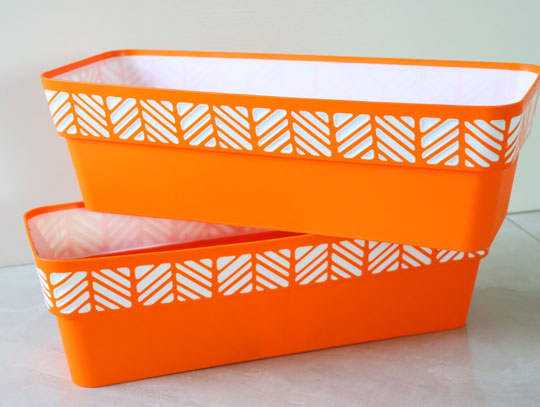
Color plays a crucial role in product design and branding, often the first thing customers notice. In plastic manufacturing, color consistency and change efficiency can directly impact product quality, production cost, and turnaround time. At Keyplast, we specialize in precision color control and efficient injection molding color change processes, ensuring every molded component meets our customers’ exact visual and functional standards.

What is Color Change in Injection Molding?
Injection molding color change refers to the process of switching from one color resin to another in a molding machine. It’s a routine but critical operation in manufacturing lines producing parts in different shades or styles. Color changes involve cleaning out the previous colorant and purging the machine so the next batch of resin runs clear and uncontaminated. The main goal is to ensure that no traces of the previous color appear in subsequent molded parts — a defect often called “color streaking.”
Common reasons for color change include:
Producing different product colors within the same mold or family mold
Seasonal or branding updates in product lines
Reducing inventory by molding different SKUs on the same line
Common Methods of Color Mixing in Plastic Injection
The color mixing method used can determine both the quality of color uniformity and the ease of later color changes. Masterbatch and liquid color systems provide the ideal balance between precision, repeatability, and quick turnaround for multi-color injection molding projects.
Pre-compounded Resins
Pigment is mixed at the resin supplier. This method yields highly consistent results with minimal in-mold variation.
Masterbatch (Color Concentrate)
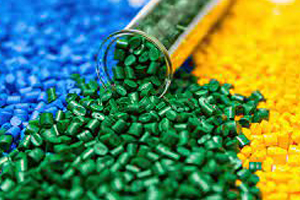
A concentrated pigment form added to the base resin during molding. It balances flexibility and cost.
Liquid Colorant
Metered directly into the melt stream. Ideal for fast switching between shades and reduced purging needs. The liquid color systems are more responsive and reduce waste.
Dry Pigment Blending
Pigment is mixed with pellets before feeding. This is used mostly for prototyping and low-volume runs due to consistency risks.
Colorant Types Comparison
| Colorant Type | Cost Efficiency | Color Uniformity | Changeover Speed | Best Use Case |
| Pre-Compounded Resins | Medium | ★★★★★ | ★★☆☆☆ | Mass production, consistent branding |
| Masterbatch | ★★★★★ | ★★★★☆ | ★★★★☆ | Standard color flexibility |
| Liquid Colorant | ★★★★☆ | ★★★★★ | ★★★★★ | Quick color change, small batches |
| Dry Pigment Blending | ★★☆☆☆ | ★★☆☆☆ | ★★★☆☆ | Prototypes, low-cost molding
|
How Color Control Plastic Molders Maintain Consistency?
Consistent color reproduction is one of the biggest challenges in injection molding. As a professional injection molding supply company, Keyplast integrates advanced systems and testing protocols to ensure each batch meets customer color targets.
The color control system includes:
Computerized dosing equipment for precise pigment ratio control
In-line purging and cleaning programs to minimize cross-contamination
Material drying and moisture control systems for stable appearance
Color approval records stored digitally for long-term production consistency
By combining these controls, we achieve consistent color uniformity, gloss, and surface appearance, even across multiple molding cycles.
Factors Affecting Color Accuracy
Even small deviations in materials or processing can result in noticeable color shifts. Here are the most common variables influencing injection molding colors:
| Factor | Impact on Color | Countermeasure |
| Resin Type | Different polymers absorb and reflect pigments differently | Material-specific color calibration |
| Pigment Dispersion | Uneven mixing causes streaks or patches | High-speed colorant dosing and pre-mixing |
| Melt Temperature | Overheating can degrade pigments | Tight temperature zone control |
| Injection Pressure & Speed | Affects gloss and flow lines | Real-time machine feedback adjustments |
| Moisture in Resin | Causes haze and uneven color | In-line drying and dehumidifying |
| Cooling Rate | Affects final tone and texture | Controlled cooling circuit and cycle times |
Step by Step Process for Efficient Color Changeover
A quick and clean color change is key to keeping production costs down and quality up. Below is the typical workflow to ensure speed and precision during color transitions.
Step 1: Stop current run and flush
Introduce a purging compound or transitional resin to push out residual color.
Step 2: Barrel and screw cleanout
Use high-speed mechanical purge to fully evacuate pigment residue.
Step 3: Introduce new color feed
Gradually feed the next resin with pigment until consistent color is observed.
Step 4: Monitor short-shot sampling
Run small test shots and visually inspect for streaks or contamination.
Step 5: Spectrophotometer validation
Use color measurement tools to verify tolerances before full production.
Step 6: Resume full production
Once color is validated, ramp back to full cycle with confidence.
Minimizing Downtime During Color Transition
Downtime during a color change directly affects profitability. To minimize it, the following techniques can be adopted to ensure minimal scrap and maximum uptime — key advantages for clients requiring short production runs or multi-color series.
Use of Purging Compounds: instead of wasting raw resin, employ dedicated purging materials to flush the system quickly.
Machine Design Optimization: maintain short feed zones and low-residue screws for faster purging.
Process Standardization: each color change has a documented SOP (Standard Operating Procedure).
Training & Automation: the operators are trained to handle rapid color changeovers using smart control panels.
Challenges in Injection Molding Color Control
Despite technological advances, several challenges remain in maintaining perfect color consistency:
Cross-contamination: Even a small pigment residue can distort lighter shades.
Heat sensitivity: Some pigments degrade under prolonged heat cycles.
Lot variation: Colorant suppliers may have batch-to-batch differences.
Machine wear: Over time, screw and barrel wear can cause uneven mixing.
Why Choose Keyplast for Color Control Injection Molding?
Robust color control using automated dosing and spectrophotometry
Fast changeovers backed by optimized purging protocols
Consistent repeatability via stored digital color recipes
Expert support through design consultation, testing, and verification
From simple single-color molds to advanced two-color injection systems, Keyplast provides complete support, from design consultation to production and quality verification.
Managing color change and control in injection molding is a balance of technology, precision, and experience. At Keyplast, we integrate automated systems, material expertise, and process discipline to deliver consistent, flawless color results, no matter how complex your design or production schedule. Whether you need fast color changeovers, tight brand color matching, or multi-color injection molding, Keyplast is your trusted partner for precision, efficiency, and reliability.
FAQs of Injection Molding Color Change
How often can colors be changed on a molding machine?
With proper purging, machines can change color multiple times per shift without contamination.
What is the fastest way to change color in injection molding?
Using liquid color systems or high-performance purging compounds offers the quickest transitions.
How do I prevent color streaks in my molded parts?
Maintain steady temperature, purge thoroughly, and ensure consistent pigment metering.
Does colorant affect mechanical strength?
Most pigments have negligible impact, but certain additives, like metallics, can slightly alter tensile strength or flow behavior.