In the modern manufacturing landscape, the pressure to create smaller, stronger, and more integrated components has never been higher. Engineers are constantly looking for ways to reduce assembly time while maintaining the structural integrity of complex parts. One of the most effective solutions to this challenge is insert molding. This process allows for the seamless integration of non-plastic components into a plastic part, creating a single, robust unit that combines the best properties of multiple materials.
For companies seeking high-precision manufacturing solutions, specialized services in insert molding have become a cornerstone of modern product development, enabling innovations across the automotive, medical, and electronics sectors.
What is Insert Molding?
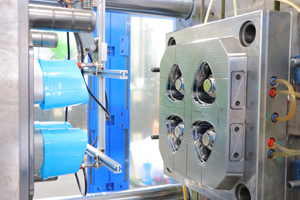
Insert molding is an injection molding process where a pre-formed component, the insert, is placed into the mold cavity before the molten plastic is injected. Once the plastic solidifies, it encapsulates the insert, resulting in a single integrated part.
While metal inserts (like threaded brass nuts) are the most common, inserts can also be made of other plastics, ceramics, or even electronic components like circuit boards and sensors. This process differs from overmolding primarily in the nature of the components; while overmolding typically involves molding plastic over a plastic substrate, insert molding usually involves a non-plastic part being inserted into the plastic matrix.
The Insert Molding Process
The process of insert molding requires high levels of precision and synchronization. The typical workflow involves:
Insert Placement: The insert is loaded into the mold. This can be done manually by an operator or through automated robotics for high-volume production.
Mold Closure: The mold halves close securely, ensuring the insert is held firmly in place so it does not shift during the high-pressure injection.
Injection: Molten thermoplastic is injected into the cavity, flowing around the insert and filling the remaining space.
Cooling and Solidification: The plastic cools, shrinking slightly around the insert to create a tight mechanical bond.
Ejection: The finished part is ejected from the mold, ready for use with no further assembly required.
Why Use Insert Molding?
The adoption of insert molding is driven by several significant advantages that improve both the manufacturing process and the final product's performance.
1. Enhanced Structural Strength
One of the primary reasons engineers choose this method is to add localized strength to a plastic part. Adding metal threaded inserts allows a plastic component to be bolted and unbolted multiple times without stripping the threads, which would be impossible with plastic-only threads.
2. Reduced Assembly Costs and Time
In traditional manufacturing, a plastic part might be molded first, and then a metal screw or bushing would be pressed in or ultrasonically welded later. Insert molding eliminates these secondary operations. By creating the integrated part in a single step, companies can significantly reduce labor costs and simplify the supply chain.
3. Weight and Size Reduction
Insert molding allows manufacturers to replace heavy metal parts with lightweight plastic, using metal only in the specific areas where high strength or conductivity is needed. This is particularly valuable in the aerospace and automotive industries, where every gram of weight savings contributes to fuel efficiency.
4. Increased Design Flexibility
This process allows for the combination of disparate materials that could not otherwise be joined. For example, a rubberized seal can be molded directly onto a metal flange, or a plastic handle can be molded around a steel blade.
Key Design Considerations for Success
To ensure a high-quality finished product, designers must account for the physical interactions between the plastic and the insert. There are several critical design tips:
Wall Thickness: There must be enough plastic around the insert to withstand the stress of cooling. If the wall is too thin, the plastic may crack as it shrinks around the rigid insert.
Boss Design: The boss (the plastic structure housing the insert) should be designed to support the load and prevent the insert from pulling out.
Mechanical Bonding: Since plastic and metal do not chemically bond, inserts often feature knurling or undercuts. These textures allow the plastic to grip the insert mechanically, preventing it from rotating or pulling out under stress.
Material Compatibility: The melting point of the plastic must be considered to ensure it doesn't damage the insert, especially if the insert is an electronic component.
Common Applications
Automotive: Integrated sensors, electrical connectors, and reinforced structural brackets.
Medical: Surgical tools with metal blades and ergonomic plastic handles, as well as components for diagnostic equipment.
Electronics: Threaded inserts in laptop housings, pins in electrical plugs, and encapsulated sensors.
Aerospace: Lightweight interior components that require high-strength fastening points.
Insert molding is a strategic approach to product design that optimizes material usage and reduces costs. By combining the durability of metals or the intelligence of electronics with the versatility of plastics, manufacturers can create products that are lighter, stronger, and more cost-effective.
For those looking to implement this technology in their next project, partnering with an expert is essential. Keyplast provides professional insert molding services, helping clients from the initial design phase through to high-volume production. As industries continue to push the boundaries of what is possible, insert molding will remain a vital tool in the engineer's toolkit for years to come.
Read More Articles about Insert Molding:
The Technology of Insert Molding
Introduction to Metal Insert Molding and Double Injection Molding
The Future of Manufacturing: Insert Moulding Advancements
Key Benefits of Insert Molding in Manufacturing