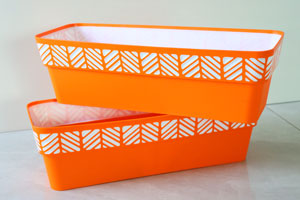
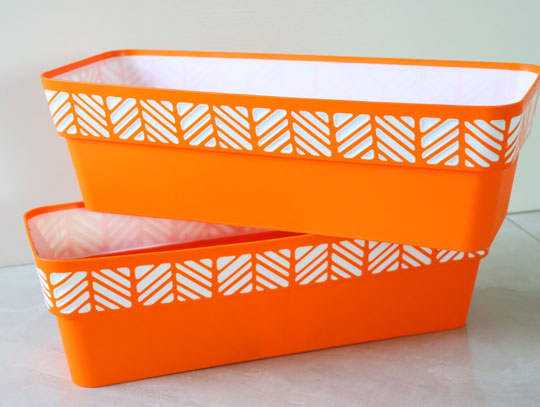
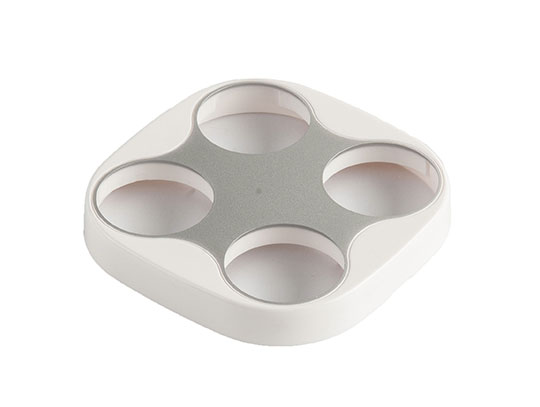
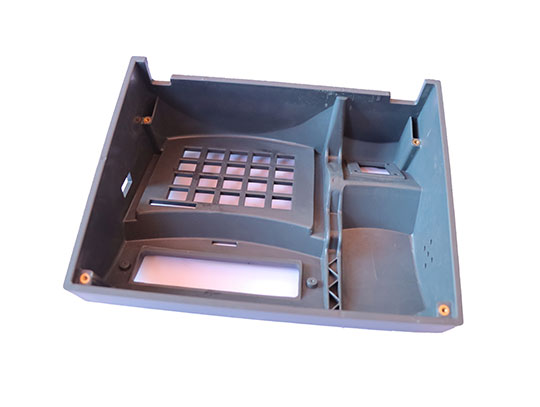
In the world of product design, the first thing a consumer notices isn't the complex internal ribbing or the wall thickness of a plastic component—it is the look and feel of the surface. Whether a product requires a crystal-clear lens, a non-slip grip, or a sleek matte housing, the injection molding surface finish is what bridges the gap between raw functionality and user experience.
Choosing the right finish is not merely a cosmetic decision; it impacts the manufacturing cost, the mold design, and the long-term durability of the part. By understanding the various standards and technical requirements, engineers can optimize their designs for both beauty and performance.
SPI and VDI Finishes
To ensure consistency across the global manufacturing supply chain, the industry relies on standardized finishing scales. The most widely recognized system is provided by the Society of the Plastics Industry (SPI).
The SPI grades are categorized into four primary groups, ranging from high-gloss mirrors to rough, textured surfaces:
Grade A (Glossy): Achieved using diamond powder polishing on the mold. These are high-gloss, reflective finishes used for optical parts, mirrors, and premium consumer electronics.
Grade B (Semi-Gloss): Polished with grit paper. These finishes offer a smooth, semi-shiny look that hides minor molding imperfections better than Grade A.
Grade C (Matte): Created using fine stone grits. This is a popular choice for parts where a non-reflective, utilitarian appearance is desired.
Grade D (Textured): Produced via sandblasting or glass bead blasting. These finishes are used for decorative purposes or to provide a specific tactile grip.
In addition to SPI, many manufacturers utilize the VDI 3400 scale. Popularized in Europe, VDI finishes are typically achieved through Electrical Discharge Machining (EDM) and are known for their distinct, uniform texture.
Why Surface Finish Matters?
The choice of injection molding finishes serves several critical roles beyond aesthetics:
1. Hiding Aesthetic Defects
Injection molding is a complex process that can sometimes result in weld lines, sink marks, or flow streaks. Textured or matte finishes (SPI Grades C and D) are highly effective at masking these minor visual flaws, leading to lower scrap rates and more consistent production.
2. Improving Ergonomics and Grip
For handheld devices, power tools, or kitchen appliances, the surface finish directly impacts safety and usability. A textured finish provides the necessary friction to prevent slipping, especially in environments where the user’s hands might be wet or oily.
3. Paint and Adhesive Adhesion
If a part is intended to be painted or labeled after molding, a slightly roughened surface is often preferable. A smooth, glossy surface can be too slick for paint to bond correctly, whereas a matte or light textured finish provides the mechanical tooth needed for coatings to adhere permanently.
Technical Considerations
One of the most common pitfalls in product design is failing to account for how a finish interacts with the chosen material and the mold geometry.
Injection molding materials like Polycarbonate (PC) or Acrylic (PMMA) are excellent for high-gloss A-grade finishes because of their natural clarity. However, if you are using glass-filled resins, achieving a mirror-like shine is nearly impossible because the glass fibers often float to the surface, creating a slightly grainy texture regardless of how well the mold is polished.
Furthermore, the draft angle is a crucial factor. High-texture finishes create tiny undercuts on the mold surface. If you choose a heavy texture, you must increase the draft angle (the taper on the walls of the part). Without a sufficient draft, the part will scrape against the textured mold during ejection, causing unsightly drag marks and potentially damaging the part or the mold itself.
The Cost Factor
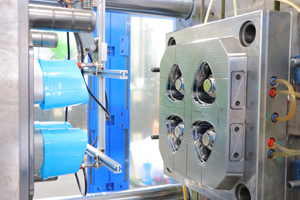
It is important to remember that the mold is a mirror image of the part. To get a Grade A-1 diamond polish on a plastic part, the steel mold itself must be painstakingly polished by hand using increasingly fine diamond pastes. This labor-intensive process can add significant time and cost to the mold-making phase.
Conversely, sandblasted or EDM finishes can often be applied more quickly and at a lower cost. Designers should evaluate whether a high-gloss finish is truly necessary for the product's function or if a more cost-effective matte finish would suffice.
The surface finish is the final touch that defines a product's character. Whether you are aiming for the high-end sophistication of a glossy finish or the rugged durability of a textured grip, selecting the right injection molding surface finish requires a balance of aesthetic vision and technical reality.
By working closely with experienced China injection molding manufacturers like Keyplast, designers can ensure that their material choice, draft angles, and finishing grades are perfectly aligned. In the end, a well-chosen surface finish makes it perform better, last longer, and stand out in a crowded marketplace.