Injection molding is one of the most widely used manufacturing methods for producing plastic parts in large volumes. From automotive components and household goods to medical devices and industrial packaging, this process delivers unmatched consistency, scalability, and cost-efficiency.
In today’s global market, companies often rely on plastic injection molding China, where a strong supply chain and competitive costs make it a preferred option. For businesses sourcing plastic molding supplies or looking for trusted plastic moulding suppliers, understanding the full injection molding process is essential.
What is Injection Molding?
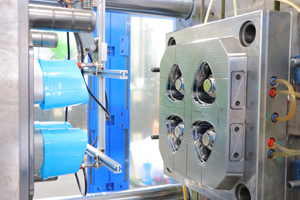
The injection molding process is one of the most widely used manufacturing methods for producing plastic parts in large volumes with consistency, accuracy, and efficiency. It works by melting solid plastic pellets at a specific melting point and then using the pressure of an injection machine to inject the molten plastic into a mold cavity at a controlled speed. Inside the mold, cooling channels, often water-based, allow the plastic to solidify, resulting in products identical to the mold design. This process is mainly applied to thermoplastic molding, but it can also be used for thermosetting plastics, making it an essential technology for modern industrial production.
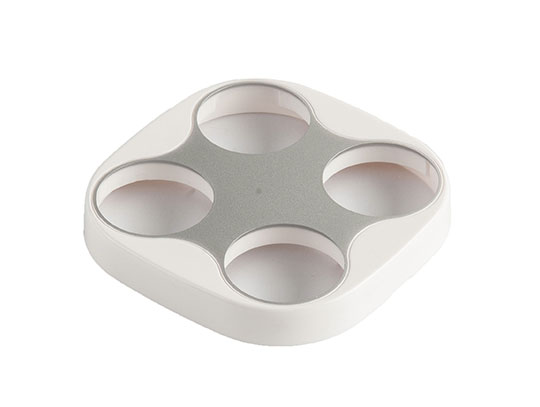
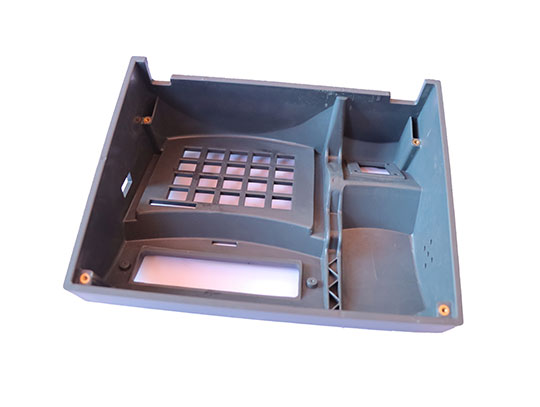
Compared to other techniques such as blow molding, injection molding delivers higher precision and is ideal for complex components that require tight tolerances and repeatable quality. The method is versatile and supports a wide range of applications, including automotive injection molding for durable car parts, electronic housings with intricate details, medical device components requiring high safety standards, and industrial packaging solutions designed for mass production.
With the rapid growth of China plastic mold maker networks and the rise of advanced injection molding manufacturers, businesses around the world can now benefit from reliable and cost-effective solutions. From sourcing plastic injection moulds to building partnerships with trusted suppliers in the global industrial mold market, injection molding remains the cornerstone of scalable, high-quality plastic part production.
Key Injection Molding Process Steps
Step 1: Tool Closes and Resin is Fed
The process begins when the mold tool closes. Resin pellets are fed from a hopper into the barrel. This marks the start of the injection molding cycle.
Step 2: Melting and Injection of Resin
The screw rotates to push resin pellets forward. Friction, combined with heat from the barrel, melts the pellets into molten plastic. Once melted, the screw advances and injects the resin into the tool cavity at the required pressure and speed.
Step 3: Cooling of the Molded Part
After the cavity is completely filled, the molten resin must cool and solidify inside the mold. Cooling time is critical to ensure dimensional stability and product quality.
Step 4: Screw Reloads for Next Cycle
While the part is cooling, the screw retracts and prepares for the next cycle by loading fresh resin and melting it into the next shot. This ensures a continuous production process.
Step 5: Ejection of the Molded Part
Once the molded plastic part reaches its ideal ejection temperature, the tool opens. The ejector rod and pins push the part out of the cavity, completing the cycle. The mold is then ready to repeat the process.

Advanced Injection Molding Techniques
Two-Shot Injection Molding
Also known as double-shot molding, this process combines two different materials or colors into one part. It offers excellent design flexibility. Engineers follow a two shot molding design guide to create precise structures using the double shot injection molding technology.
Insert & Overmolding
Insert molding involves placing metal or plastic components inside the mold before injecting plastic around them. Overmolding builds a secondary layer over an existing part. Both techniques are popular in electronics and automotive sectors.
Thermoset & IoT Integration
Unlike thermoplastics, thermoset materials permanently harden when molded. The thermoset injection molding process is used for heat-resistant products. Modern factories also employ injection molding machine IoT systems for real-time monitoring and predictive maintenance.
Applications of Injection Molding
Injection molding supports industries worldwide with versatile solutions:
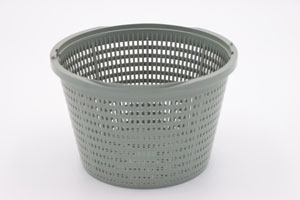
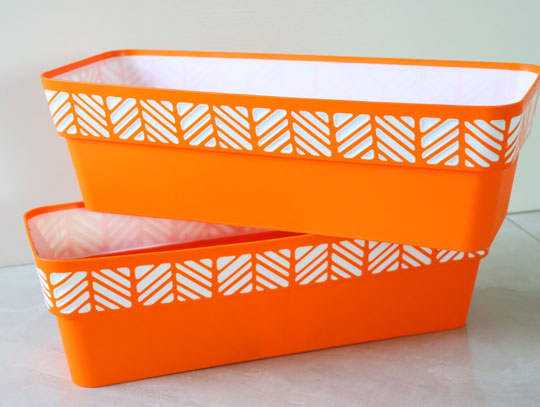
Packaging: Crates and containers such as turnover box mould or plastic basket mould.
Automotive: Durable components using advanced automotive molds.
Healthcare: Devices produced via China medical plastic mold manufacturing.
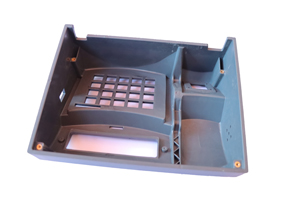
Consumer Products: Everyday items from electronics housings to toys.
Choosing the Right Injection Molding Supplier
Finding the right partner ensures consistent quality and cost efficiency. When sourcing, consider:
Experience and certifications of injection molding suppliers
Comprehensive injection moulding material list and raw material options
Reputation of mold makers such as FOW Mould China
Modern solutions from global players
A trusted supplier provides design assistance, high-quality tooling, and reliable production support
Injection molding has become the backbone of modern plastic manufacturing, offering unmatched scalability, cost-efficiency, and precision. Whether it is automotive molds for durable car components, medical plastic injection molding for safety-critical devices, or food grade plastic injection molding for packaging, this process ensures consistent results across industries. With the strong presence of injection molding manufacturers, businesses can access reliable plastic injection moulds for sale and expand their opportunities in the global industrial mold market.