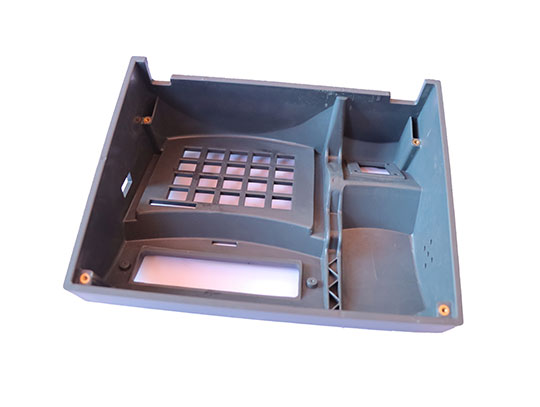
In the competitive landscape of product design, the ability to combine multiple materials into a single, seamless component is a significant advantage. This process, known as overmolding, has revolutionized how we interact with everyday objects. From the soft-touch grip on a power tool to the sophisticated seals in medical devices, overmolding has become an essential technique for engineers seeking to improve ergonomics, durability, and aesthetic appeal.
What is Overmolding?
Overmolding is a specialized injection molding process where one material (the overmold) is molded over a second material (the substrate). Typically, the substrate is a rigid plastic or metal, while the overmold is a softer elastomer, such as Thermoplastic Elastomer (TPE) or Thermoplastic Polyurethane (TPU).
The goal of this process is to create a single part from two or more materials that are permanently bonded together. This bonding can be achieved through chemical adhesion or mechanical interlocking, depending on the compatibility of the materials used.
Overmolding vs. Insert Molding
It is common to hear the terms overmolding and insert molding used interchangeably, but there are distinct differences between the two. Insert molding generally involves placing a pre-manufactured component, often metal, such as a threaded brass insert, into the mold before the plastic is injected.
In contrast, overmolding is frequently a two-shot process or a pick-and-place operation involving two different plastic resins. While both processes aim to integrate components, overmolding is specifically prized for its ability to add layers of functional or aesthetic material to a primary plastic structure.
Key Applications across Industries
The versatility of overmolding allows it to be utilized across a vast array of sectors. Below are some over moulding applications:
1. Consumer Electronics and Handheld Devices
The most visible application of overmolding is in consumer electronics. Manufacturers use soft-touch materials over rigid plastic housings to provide a better grip and a premium feel. Think of cell phone cases, remote controls, and high-end gaming controllers. These layers also act as a protective barrier, absorbing shocks and vibrations if the device is dropped.
2. Medical Device Manufacturing
In the medical field, safety and ergonomics are paramount. Overmolding is used to create surgical instruments with non-slip handles that are comfortable for surgeons to use during long procedures. Additionally, overmolding can be used to encapsulate sensitive electronic components, creating a water-tight and airtight seal that allows devices to be sterilized repeatedly without damage.
3. Automotive Industry
The automotive sector relies on overmolding for both functional and aesthetic purposes. Internally, it is used to create seals, gaskets, and grommets that prevent leaks and dampen noise, vibration, and harshness. On the dashboard, overmolded buttons and knobs provide tactile feedback to the driver, enhancing the overall user experience.
4. Professional Tools and Hardware
Power tools, such as drills and saws, are subjected to high levels of vibration and physical stress. By overmolding a rubberized grip onto a rigid nylon or polycarbonate body, manufacturers can significantly reduce user fatigue and improve safety. This layer also provides electrical insulation, adding an extra level of protection for the operator.
The Benefits of Choosing Overmolding
Why do designers opt for overmolding instead of simply gluing two parts together? The benefits are multi-faceted:
Elimination of Assembly Costs: Because the materials are bonded during the molding process, there is no need for secondary assembly using adhesives or fasteners. This reduces labor costs and eliminates potential points of failure.
Enhanced Product Durability: Chemical bonding creates a much stronger connection than traditional adhesives. Overmolded parts are less likely to peel or separate over time, even under extreme environmental conditions.
Improved Aesthetics: Overmolding allows for complex multi-color designs and varied textures that are impossible to achieve with a single injection cycle.
Vibration Dampening: The use of soft-touch materials helps dissipate energy, making products quieter and more comfortable to use.
Critical Design Considerations
Despite its benefits, successful overmolding requires careful planning. One of the most important factors is material compatibility. If the substrate and the overmold resin are not chemically compatible, they will not bond properly. Engineers must also consider the melt temperature of the substrate; if the overmold resin is injected at a temperature that is too high, it may deform or melt the base part.
Mechanical interlocks, such as undercuts or holes in the substrate, are often designed into the part to provide additional security, ensuring the two materials stay together even if the chemical bond is stressed.
Overmolding has transitioned from a niche manufacturing technique to a cornerstone of modern product development. It bridges the gap between form and function, allowing manufacturers to create products that are not only durable and safe but also beautiful and ergonomic.
For companies looking to leverage this technology, partnering with an experienced manufacturer is vital. Keyplast offers comprehensive overmolding solutions, providing the technical expertise needed to navigate material selection, mold design, and production at scale. As we continue to demand more from our tools and devices, the applications for overmolding will only continue to expand, driving innovation across the global manufacturing landscape.