Plastic injection molding is one of the most widely used manufacturing methods for producing high-precision, high-volume plastic parts across industries such as automotive, consumer electronics, medical devices, and packaging. However, in an era of growing environmental awareness and regulatory pressure, one key question often arises: is injection molding sustainable?
The answer is not a simple yes or no — it depends on the materials used, manufacturing practices, waste management strategies, energy sources, and life-cycle considerations. This article explores the environmental footprint of injection molding, the challenges it faces, and the ways the industry is improving sustainability through sustainable injection molding practices.
Sustainability in manufacturing means minimizing environmental harm while maintaining economic and social viability. It includes responsible use of resources, reduction of waste and emissions, energy efficiency, and consideration of product life cycle from raw material sourcing to end-of-life disposal or recycling. For injection molding, which historically relied on petrochemical-based resins and energy-intensive processes, sustainability efforts can span from material innovation to process optimization and closed-loop recycling.
Environmental Challenges of Injection Molding
1. Dependence on Fossil Fuel-Based Materials
Traditional plastics used in injection molding are typically made from fossil fuels (oil, natural gas, or petroleum derivatives). The extraction, refining, and polymerization of these raw materials contribute to greenhouse gas emissions and environmental degradation before molding even begins.
2. Energy-Intensive Production
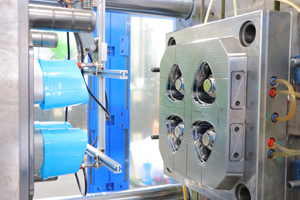
Injection molding machines heat polymers to high temperatures and operate under high pressure. This process requires significant energy, and older hydraulic machines are particularly inefficient, contributing to a substantial carbon footprint.
3. Waste and Scrap
Though injection molding is inherently efficient in material use, there is still waste generated, in the form of sprues, runners (the channels through which molten plastic flows), and defective parts. Without recycling systems, this waste could end up in landfills, contributing to pollution. [1]
4. End-of-Life Disposal
Many plastic products have short service lives and are not recycled effectively, leading to plastic pollution in landfills, oceans, and ecosystems. This life-cycle challenge extends beyond manufacturing into product design and consumer behavior. [2]
Why Injection Molding Can Be More Sustainable Than It Seems?
Despite these challenges, injection molding has several sustainability advantages compared with alternative manufacturing methods when implemented thoughtfully.
1. Efficient Material Usage
One of the strongest sustainability attributes of injection molding is precision. The process uses only the material necessary to fill the mold cavity, minimizing waste. Molded runners and sprues can often be recycled back into production.
2. Low Scrap Rate with Proper Design
Well-designed molds, optimized gating systems, and process control help reduce scrap rates. Efficient mold design can reduce excess flash and reject parts, lowering both waste and the energy required to produce a given number of usable products.
3. Longevity and Durability of Parts
Injection molded parts often have high strength, dimensional accuracy, and durability. Longer-lasting parts reduce the need for replacement, eventually lowering the overall environmental impact across the product’s lifespan.
4. Modern Energy-Efficient Machines
Electrically driven and hybrid injection molding machines offer significantly improved energy efficiency compared with older hydraulic machines. For example, studies have shown that electric machines can reduce energy use by up to 50–70%, while hybrid machines also yield notable savings. [3]
5. Opportunities for Closed-Loop Recycling
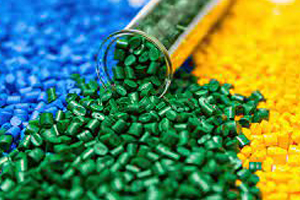
Closed-loop recycling systems collect scrap and reprocess it into usable pellets for future injection molding runs. This reduces both raw material demand and waste going to landfill.
Strategies for Sustainable Injection Molding
Achieving sustainability in injection molding involves steps at multiple points in the manufacturing and supply chain. Below are key strategies that progressive manufacturers are adopting:
1. Using Recycled and Bio-Based Materials
Incorporating post-consumer recycled plastics (PCR) or post-industrial regrind drastically cuts the need for virgin resin production. PCR can reduce emissions significantly, in some cases up to 60–70% compared to virgin resins. [4]
Biodegradable or bio-based plastics, such as polylactic acid (PLA), come from renewable sources like corn, sugarcane, or other agricultural wastes and may require less energy to process. These materials often have lower melt temperatures, contributing to reduced energy consumption during molding.
2. Energy Optimization and Smart Manufacturing
Energy management systems, electric or hybrid machines, and insulation improvements can cut energy consumption and reduce greenhouse gas emissions. Regular maintenance and predictive AI-based controls help ensure machines run at peak efficiency.
3. Process Optimization & Lean Manufacturing
Optimizing cycle times, reducing the number of defective parts, and implementing lean principles can further reduce energy use and material waste. Using better mold design and simulation tools helps minimize over-packing, reduce cooling times, and enhance overall process efficiency.
4. Waste Management and Recycling Programs
Integrated recycling systems for runners, sprues, and rejects help lower landfill contributions. Treating and reusing water or solvents used in molds also contributes to resource conservation.
5. Sustainable Design for Longevity and End-of-Life Reuse
Designing parts for longevity, easy disassembly, and future recyclability can vastly improve sustainability. Using modular designs or standard materials that are easily recycled at the product’s end of life helps manufacturers contribute to a circular economy.
Economic and Regulatory Advantages of Sustainable Injection Molding
Operational Cost Savings
Energy-efficient equipment, smarter process control, and reduced waste translate directly into lower utility bills and reduced materials expenses. Optimized processes can also shorten cycle times, further lowering production costs.
Alignment with Legislation and Standards
Environmental regulations are becoming stricter globally. Adhering to sustainability standards helps manufacturers stay compliant, avoid fines, and qualify for incentives or certifications that enhance market credibility.
Brand Value and Market Demand
Consumers and B2B buyers increasingly demand sustainable products. Demonstrating commitment to eco-friendly practices can differentiate suppliers and foster stronger customer loyalty.
Real-World Examples of Greener Practices in Injection Molding
Electric and Hybrid Machines
Switching from hydraulic to electric or hybrid injection molding machines dramatically reduces energy usage and related greenhouse gas emissions. Modern electric machines also offer tighter process control, leading to higher product quality and less scrap.
High Recycled Content Components
Factories that incorporate high percentages of PCR see large reductions in both material costs and carbon footprint.
Closed-Loop Scrap Reuse
In facilities adopting closed-loop systems, leftover sprues, runners, and defective parts are systematically re-pelletized and reused. This keeps waste out of landfills and conserves resources.
Limitations and Ongoing Challenges
Recycled Material Quality: Recycled plastics often have variable properties compared with virgin resins. Manufacturers need robust sorting and quality control to ensure performance.
Upfront Investment: Energy-efficient machinery and advanced automation may require significant capital investment upfront. However, long-term savings often justify the cost.
End-of-Life Logistics: Even if molded parts are recyclable or biodegradable, infrastructure for collection and recycling is not uniformly available worldwide.
Injection molding supply today is not inherently sustainable by default, but the industry is evolving rapidly toward more sustainable practices. By combining sustainable material choices, energy-efficient machines, closed-loop recycling, process optimization, and sustainable design principles, manufacturers can significantly reduce environmental impact while maintaining productivity and quality.
The future of sustainable injection molding lies in innovation, collaboration, and commitment to environmental responsibility, ensuring that plastic components are not only functional and cost-effective, but also aligned with global sustainability goals.
Reference:
[1] https://soundviewplastics.com/eco-friendly-plastic-injection-molding-guide/
[2] https://www.essentracomponents.com/en-us/news/manufacturing/injection-molding/is-injection-molding-environmentally-friendly
[3] https://www.goldengatemolders.com/post/sustainable-practices-in-plastic-injection-molding-towards-an-eco-friendly-future
[4] https://www.fictiv.com/articles/sustainable-plastic-injection-molding