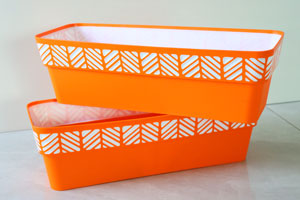
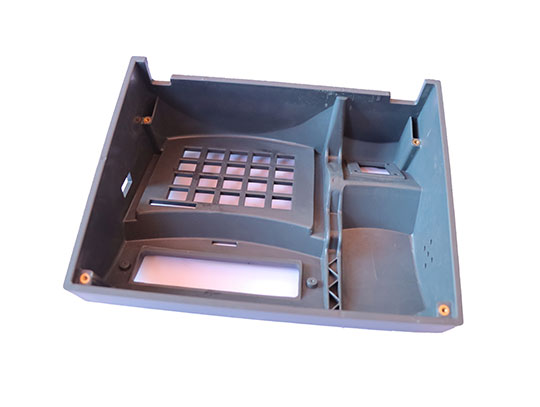
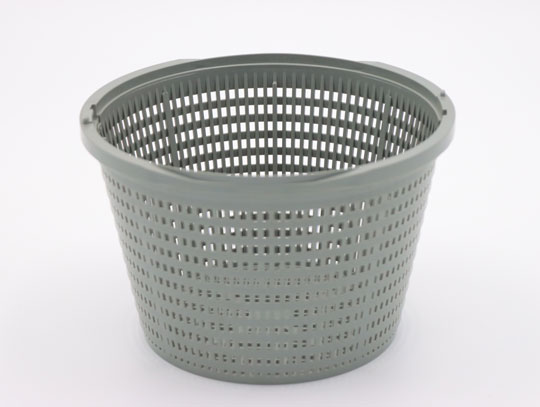
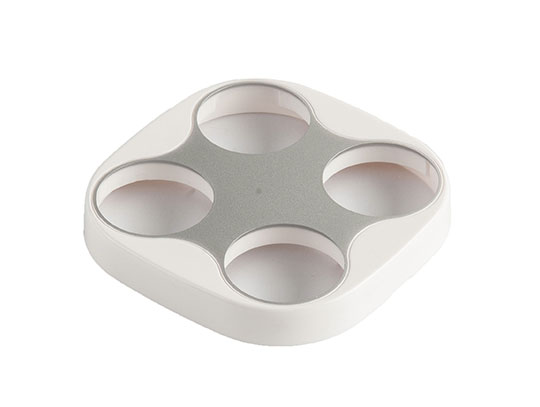
Food grade plastic injection molding is a critical manufacturing process used in producing plastic components that come into contact with food products. These components, such as containers, lids, trays, and utensils, must meet strict regulatory standards to ensure they are safe for consumers. This article explores the importance of food grade plastic injection molding, the materials used, the benefits, and its key applications in the food industry.
What is Food Grade Plastic Injection Molding?
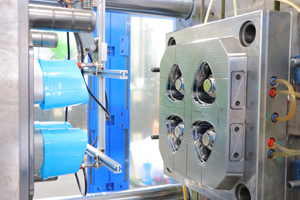
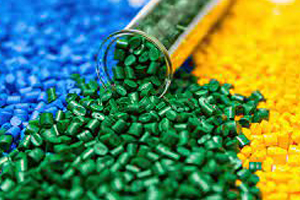
Food grade plastic injection molding is a process where plastic materials are injected into a mold under high pressure to create a specific shape. The process uses plastics that meet food safety regulations and are non-toxic, ensuring they do not leach harmful chemicals into the food. The plastic materials used are typically made of food-safe polymers, such as polypropylene (PP), polyethylene (PE), and polycarbonate (PC), which are durable, lightweight, and resistant to contamination.
The primary goal of food grade plastic injection molding is to produce components that are not only functional and durable but also safe for direct contact with food products. These components must pass rigorous quality control tests, including compliance with standards set by regulatory bodies like the FDA or European Food Safety Authority (EFSA).

Materials Used in Food Grade Plastic Injection Molding
The materials used in food grade plastic injection molding play a crucial role in determining the safety and functionality of the final product. Commonly used materials include:
Polypropylene (PP) – Known for its high resistance to heat, PP is commonly used for food containers and packaging. It is lightweight, durable, and can be sterilized.
Polyethylene (PE) – Another popular food-safe material, PE is used in packaging and containers. It is resistant to chemicals, making it ideal for food storage.
Polycarbonate (PC) – Known for its transparency and strength, PC is often used in food-related products like drinkware and containers.
Polyethylene Terephthalate (PET) – PET is widely used for producing bottles and containers for beverages, as it offers good strength and clarity while being lightweight.
These injection molding materials are carefully chosen for their ability to withstand food contact without altering the food's taste or appearance. The quality of the material is closely monitored throughout the food grade plastic injection molding process to ensure compliance with health and safety standards.
Benefits of Food Grade Plastic Injection Molding
Safety and Compliance
One of the most significant advantages of food grade plastic injection molding is that it ensures products comply with stringent food safety standards. The use of FDA-approved materials and compliance with international regulations minimizes the risk of contamination or harmful chemical migration.
Customization
The molding process allows for precise control over the shape, size, and features of the plastic components. This flexibility enables manufacturers to create tailored products that meet specific customer requirements, whether it's for packaging, utensils, or food storage solutions.
Cost-Efficiency
Food grade plastic injection molding offers cost-effective production, particularly for high-volume manufacturing. The automation of the process and the ability to use durable molds reduces production costs while maintaining high-quality standards.
Durability and Reliability
Products created through food grade plastic injection molding are known for their durability and long-lasting performance. The use of high-quality food-safe materials ensures that the products are resistant to wear and tear, especially when subjected to frequent washing and exposure to various environmental conditions.
Applications of Food Grade Plastic Injection Molding
Food grade plastic injection molding is used in a wide range of applications in the food industry. These applications include:
| Application | Example Products |
| Food Packaging | Containers, trays, bottles |
| Utensils and Kitchen Tools | Spoons, forks, lids, tongs |
| Storage Solutions | Food storage containers, lids |
| Foodservice Equipment | Cups, plates, serving trays |
These applications show the versatility and importance of food grade plastic injection molding in ensuring that food-related products are safe, efficient, and durable. From packaging to utensils, the process plays a vital role in maintaining hygiene and food safety.
Conclusion
Food grade plastic injection molding is an essential process in the food industry, ensuring that plastic products are both safe and functional for direct contact with food. The use of high-quality, FDA-approved materials guarantees that food safety standards are met, while the process itself allows for efficient, cost-effective production. As demand for safe and reliable food packaging and utensils continues to grow, food grade plastic injection molding will remain at the forefront of manufacturing solutions in the food sector.