Fundamental Principles, Structure, and Industrial Applications
A turnover box—also known as a logistics crate, storage tote, or handling container—is essential in modern warehousing and distribution systems. Behind every durable and high-precision turnover box lies a critical manufacturing tool: the turnover box plastic mould. This mould defines the structure, weight, durability, and performance of the finished product, making it one of the most important investments for companies producing logistics containers.
This article provides a clear introduction to what turnover box plastic moulds are, how they are designed, and how manufacturers such as KEYPLAST ensure high-quality mould solutions for global industries.
What Is a Turnover Box Plastic Mould?
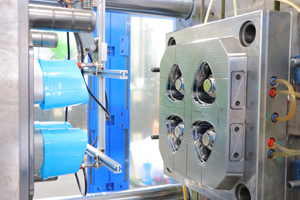
A turnover box plastic mould is a large-scale injection mould specifically engineered to produce plastic turnover boxes used in transportation, warehousing, agriculture, manufacturing, and retail logistics. These moulds are typically made from premium steel such as P20, H13, or S136, allowing them to withstand long production cycles and high injection pressures.
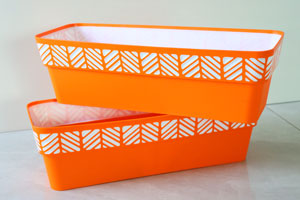
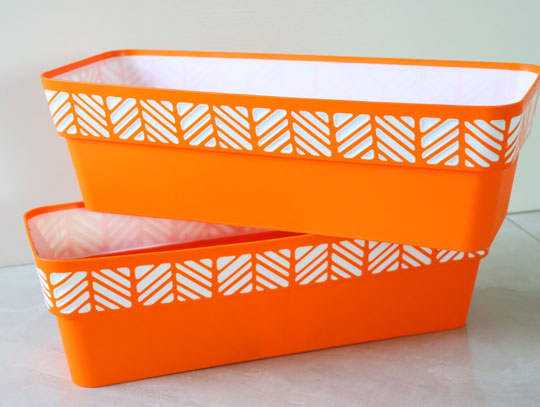
During injection moulding, molten plastic—usually PP or HDPE—is injected into the mould cavity. When cooled, the plastic forms a rigid, impact-resistant crate capable of carrying heavy loads and enduring repeated handling.
Turnover box moulds come in several variations:
Standard stacking turnover box mould
Nestable or space-saving box mould
Foldable turnover box mould
Heavy-duty industrial crate mould
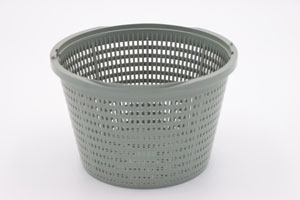
Ventilated or perforated mould for fresh produce
Each mould type is engineered to meet specific industrial requirements, making precision engineering essential.
Key Elements of High-Quality Plastic Mould Design
A turnover box is only as good as its mould. Modern plastic mould design plays a decisive role in product durability, production efficiency, and mould longevity. Leading tooling manufacturers such as KEYPLAST incorporate advanced engineering techniques to ensure optimal performance.
a. Structural Reinforcement Patterns
Ribs and strengthening grids are added to increase load-bearing capacity while minimizing material consumption.
b. Optimized Cooling Systems
Efficient cooling channels dramatically shorten cycle times and prevent warpage. This is crucial for large crates requiring stable dimensions.
c. Balanced Gate and Runner Layout
A well-designed flow path ensures complete filling of the mould, preventing short shots and improving surface quality.
d. Reliable Ejection Mechanisms
Because turnover boxes are large and rigid, the mould must include strong ejector pins, air valves, or hydraulic ejection systems to avoid deformation during demoulding.
e. High-Strength Steel Selection
Using hardened steel extends mould life and ensures consistent product quality through thousands of production cycles.
These design principles form the foundation of a mould that performs efficiently and supports high-volume manufacturing.
Applications of Turnover Box Plastic Moulds in Modern Industries
Turnover boxes produced from well-designed moulds are used across numerous industries due to their versatility and cost-effectiveness.
Warehousing and Logistics
Stackable or nestable crates streamline storage and transportation, improving space utilization.
Agriculture & Food Distribution
Ventilated crates allow airflow, protecting fruits and vegetables from moisture and spoilage.
Manufacturing & Automotive
Durable crates serve as parts bins, tool organizers, and material handling containers.
Pharmaceutical & Chemical Industries
HDPE and PP turnover boxes withstand corrosion and maintain cleanliness standards.
E-commerce Fulfillment Centers
Reusable totes improve order-picking efficiency and reduce packaging waste.
The wide range of uses underscores why high-precision moulds are essential for producing consistent, industrial-grade crates.
How to Choose Reliable Plastic Mould Suppliers
Selecting trustworthy plastic mould suppliers is crucial to ensure long-term production stability and reduced operational costs. Key considerations include:
a. Engineering Expertise
Suppliers should offer full mould flow analysis, CAD optimization, and structural reinforcement strategies.
b. Manufacturing Capacity
High-precision CNC equipment and advanced quality-control systems indicate professionalism and reliability.
c. Experience With Large Moulds
Turnover box moulds are heavy and complex; suppliers must have proven projects and reference cases.
d. Cycle-Time Optimization
Shorter cooling and injection cycles translate into higher output and lower cost per unit.
e. After-Sales Support
A dependable supplier provides fast communication, spare parts, and technical assistance.
KEYPLAST is recognized for delivering durable, high-performance turnover box plastic moulds that combine strong structural design, competitive cycle times, and long mould life—making it a preferred partner for global clients.
A turnover box plastic mould is a sophisticated tool that determines the quality and strength of logistics crates used worldwide. With advanced plastic mould design, high-grade steel, and precise engineering, manufacturers can achieve efficient mass production and durable end products. Choosing skilled plastic mould suppliers, such as KEYPLAST, ensures reliable mould performance and long-term value for any business relying on industrial storage and handling solutions.