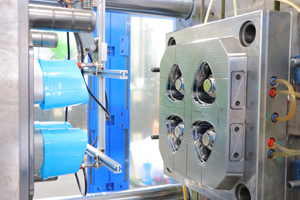
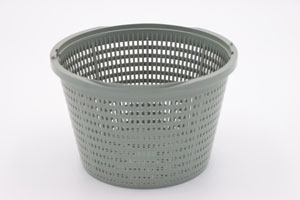
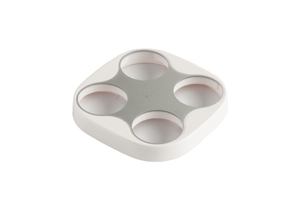
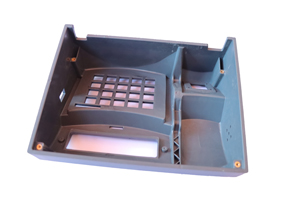
Insert molding is a manufacturing process in which a pre-formed material, such as metal, is inserted into a mold, and plastic is then injected around it to form a complete part. This method is widely used in industries such as automotive, electronics, and medical devices due to its ability to combine materials effectively and efficiently. In this article, we will focus on the key advantages of insert molding, including its cost-effectiveness, enhanced strength, design flexibility, and its ability to improve production efficiency.
Cost-Effectiveness
One of the main advantages of insert molding is its cost-effectiveness. By combining different materials into a single component, insert molding eliminates the need for secondary assembly operations. The pre-formed inserts are molded directly into the plastic part, reducing labor and material costs associated with separate manufacturing and assembly processes. This is especially valuable in industries that require high-volume production, as it minimizes the need for additional steps and optimizes the overall manufacturing process.
The cost savings from insert molding can also be attributed to reduced material waste, as the injection process allows for precise control over material usage. The ability to create multi-functional parts in a single step helps manufacturers achieve cost-efficiency without compromising quality.

Enhanced Strength and Durability
Insert molding provides enhanced strength and durability to the final product. By incorporating metal or other strong materials into the molded plastic part, manufacturers can create components that are stronger and more resilient than those made from plastic alone. This is particularly useful for parts that need to withstand high stress, pressure, or extreme environments.
The inserted materials are securely bonded with the plastic, forming a strong, integrated structure that is less likely to separate or wear over time. This improved strength and durability make insert molding ideal for applications in industries like automotive, aerospace, and medical devices, where reliability and performance are critical.
Increased Design Flexibility
Insert molding also offers significant design flexibility. Manufacturers can choose from a wide range of insert materials, such as metals, ceramics, or other plastics, to achieve the desired properties in the final product. This allows for the creation of components with specialized functions, such as parts with conductive properties, thermal resistance, or additional mechanical strength.
The combination of materials also enables the production of parts with more complex geometries, as the insert can be placed in specific locations within the mold to meet the functional needs of the part. Insert molding is particularly advantageous for creating multi-material components that need to perform in demanding environments, providing a high degree of design versatility.
Improved Production Efficiency
Insert molding significantly improves production efficiency by reducing the need for multiple manufacturing steps. The ability to mold both the insert and plastic in a single process streamlines the production line, reducing the time and labor required to assemble the final part. This leads to faster production cycles and higher throughput, especially for high-volume manufacturing.
Additionally, the precision of the insert molding process reduces the risk of errors, such as improper assembly or misalignment, which can occur in traditional methods. This leads to improved product quality and consistency, further enhancing production efficiency.
Applications of Insert Molding
Here is a simple table summarizing some of the common applications of insert molding:
| Industry | Advantages | Examples |
| Automotive | Strength, Durability, Cost-Effective | Engine components, connectors, gears |
| Electronics | Precision, Electrical Conductivity | Connectors, switches, housings |
| Medical Devices | Sterility, Strength, Reliability | Surgical instruments, grips, housings |
| Aerospace | Durability, High-Strength, Lightweight | Aircraft parts, fasteners, brackets |
As seen in the table, insert molding is widely used in a variety of industries. Its ability to combine different materials, improve part performance, and reduce manufacturing costs makes it a valuable process for producing high-quality, multi-functional components.
Insert molding offers several significant advantages, including cost-effectiveness, enhanced strength, design flexibility, and improved production efficiency. As industries continue to demand advanced, multi-material components, insert molding will play an increasingly important role in meeting these needs.
Read More Articles about Insert Molding:
The Technology of Insert Molding
Introduction to Metal Insert Molding and Double Injection Molding
Insert Molding for Enhancing Strength and Functionality
The Future of Manufacturing: Insert Moulding Advancements